Mastitis: Natural Relief, Support & When to Seek Help
Simple, effective ways to ease inflammation and support your breastfeeding journey
Mastitis is a painful and often discouraging experience for many breastfeeding women — and unfortunately, for some, it can happen more than once.
It can come on quickly, leaving you feeling overwhelmed, sore, and unsure of what to do next.
The good news? There are gentle, supportive strategies that can help reduce inflammation, support healing, and get you feeling more comfortable again.
There are gentle, supportive strategies that can help reduce inflammation, support healing, and get you feeling more comfortable again.
What is mastitis?
Mastitis is inflammation of the breast tissue, often associated with breastfeeding. It may present with:
Breast tenderness or pain
Warmth or redness
Swelling
Flu-like symptoms (fever, fatigue, body aches)
It can develop quickly — sometimes within hours — so early support is key.
Why does mastitis happen?
Mastitis is commonly linked to ineffective milk drainage, which can occur when:
Baby isn’t latching effectively
Feeds are missed or shortened
There is pressure on the breast (tight bras, sleeping positions)
In some cases, underlying contributors may include:
Oral ties (tongue/lip ties) affecting baby’s latch
Spinal restrictions impacting baby’s ability to feed efficiently
When milk isn’t draining well, it can lead to blockages, inflammation, and sometimes infection.
Simple strategies to support recovery
✨ These gentle, practical strategies can help reduce inflammation and support healing:
1. Prioritise rest
Your body is fighting inflammation — rest is essential for recovery.
2. Stay well hydrated
Drinking plenty of fluids supports milk flow and overall healing.
3. Gentle breast massage
Light massage can help encourage milk movement — avoid deep or aggressive pressure.
4. Warmth before feeds
Applying a warm compress before feeding can help stimulate milk flow.
5. Cooling after feeds
Cool compresses (or chilled cabbage leaves) can help reduce swelling and discomfort.
⚠️ Tip: Only use cabbage leaves short-term until swelling reduces, as prolonged use may reduce milk supply.
Nutritional & supplement support
Some women may benefit from additional nutritional support, including:
Calcium
Vitamin C
Vitamin D
Probiotics
Always speak with your healthcare provider before starting supplements, as not all products or strains are appropriate for everyone.
When should you seek help?
It’s important not to “push through” mastitis.
Seek support if:
Symptoms persist beyond 24 hours
You experience recurrent mastitis
You develop a fever or worsening pain
Early care can prevent progression and support faster recovery.
How chiropractic care may help
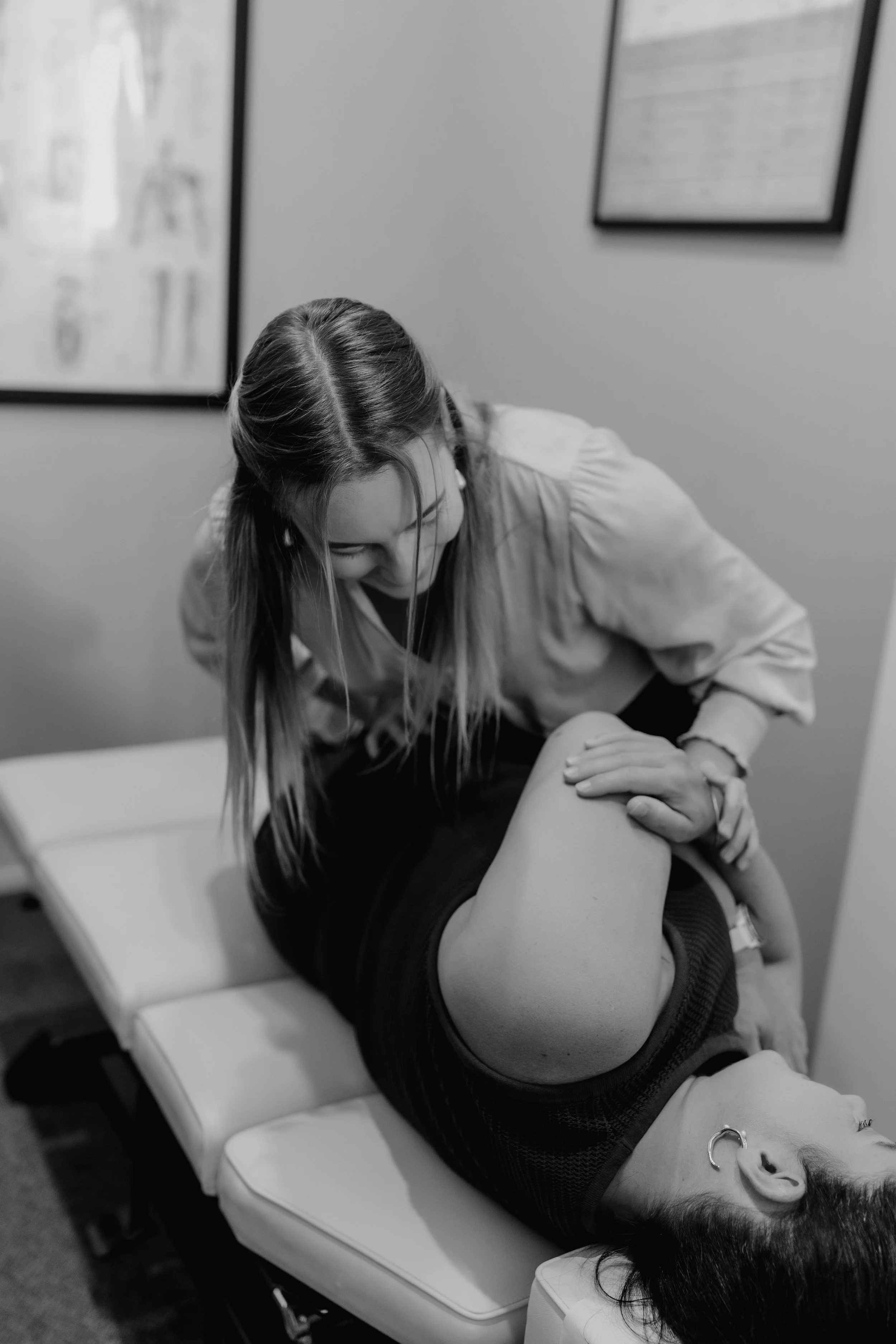
Chiropractic care can play a supportive role in your breastfeeding journey.
At The Nurture Haus, we consider both mum and bub.
✨ Chiropractic adjustments may help:
Support nervous system regulation
Enhance immune system function
Improve baby’s feeding mechanics
Because mastitis is often linked to how effectively your baby feeds, addressing underlying factors like:
latch difficulties
oral ties
spinal tension
can make a meaningful difference in preventing recurrence.
You’re not alone
Mastitis can feel incredibly isolating — especially when you’re already navigating the demands of a newborn.
If you’re currently experiencing mastitis or ongoing breast inflammation, support is available.
Speak with your trusted women’s health chiropractor to explore how we can support your breastfeeding journey in a gentle, holistic way.
At The Nurture Haus, we’re here to:
Support you through the challenges
Help you feel confident in your body
Provide care for both mum and baby
You deserve to feel supported, informed, and comfortable during this chapter.
Suitable for pregnancy, postpartum & newborn care.